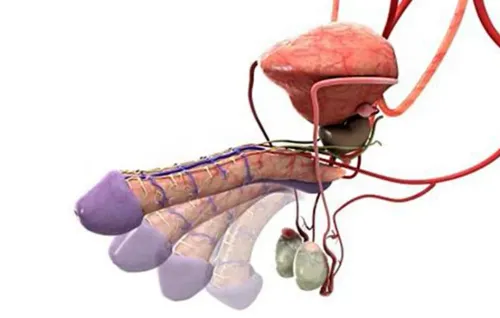

Occasional difficulty achieving an erection can occur for many reasons, but persistent Erectile Dysfunction deserves proper evaluation. ED refers to recurring difficulty achieving or maintaining an erection sufficient for satisfactory sexual activity, and its causes can extend well beyond sexual performance itself.
For some men, erectile problems may be associated with broader vascular or metabolic health factors.
What Can Cause Erectile Dysfunction?
Common contributors include diabetes, high blood pressure, cardiovascular disease, obesity, smoking, hormonal abnormalities, neurological conditions, certain medications, stress, anxiety, and relationship factors.
Some men have more than one contributing factor.
This makes diagnosis important before deciding whether tablets, devices, injections, regenerative procedures, or surgery should even be considered.
How Are Treatment Options Compared?
Management generally progresses according to the cause, severity, previous treatment response, overall health, and patient preference.
Lifestyle changes may form part of treatment when smoking, inactivity, obesity, sleep problems, or poorly controlled metabolic conditions are contributing.
Oral medications are commonly used in suitable patients, but they are not appropriate for everyone and should be considered alongside medical history and other medicines.
Other options in selected cases can include:
- Vacuum erection devices
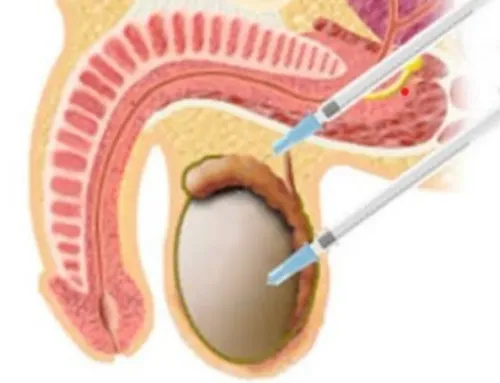
- Intracavernosal therapy
- Psychological or relationship-focused intervention
- Management of hormonal abnormalities when confirmed
- Shock wave therapy in appropriately selected cases
- Penile implant surgery for specific patients
Avoid Choosing Treatment by Popularity
A common mistake is assuming that a newer or more expensive therapy must be more effective.
For example, treatments marketed as regenerative solutions may have different levels of clinical evidence and are not automatically suitable for every form of ED. Patients considering procedures such as PRP-based treatment should understand the available evidence, uncertainties, cost, and alternative established treatments.
The same principle applies to shock wave therapy. Patient selection and the underlying cause of ED matter.
When Is Specialist Assessment Useful?
Men should consider evaluation when erectile difficulty becomes persistent, occurs repeatedly, is associated with reduced libido or penile changes, or develops alongside conditions such as diabetes or cardiovascular risk factors.
In Jaipur, Rajasthan, Jaipur AndroUrology Center evaluates erectile problems within an andrology and urology setting, where underlying medical factors and different treatment pathways can be considered.
Effective ED management is not about finding one procedure that works for every man. It is about identifying the likely cause, checking for relevant health conditions, reviewing previous treatments, and selecting an option with realistic expectations.
A detailed consultation can also help distinguish erectile dysfunction from premature ejaculation, low sexual desire, penile curvature, and other conditions that patients sometimes describe collectively as a 'sexual problem.'
Keywords