
Urinary discomfort, recurring kidney stones, prostate symptoms and male reproductive concerns can interfere with everyday life. Yet many patients delay medical evaluation because they are unsure whether their condition requires a physician, urologist, sexologist or andrologist. Understanding the role of a urologist is the first step towards making an informed decision.
At Jaipur AndroUrology Center, Dr Mahtab evaluates urinary and male reproductive health concerns for patients from Pratap Nagar and surrounding areas of Jaipur, Rajasthan. A urologist deals with conditions affecting the kidneys, ureters, bladder, urethra and male reproductive system.
When Should You Consult a Urologist?
Some urinary symptoms improve with hydration or temporary dietary changes. Persistent, severe or recurring symptoms, however, need proper assessment. Consider consulting a urologist if you experience:
- Pain or burning while passing urine
- Blood in the urine
- Difficulty starting or maintaining urine flow
- Frequent urination, particularly at night
- Sudden or persistent pain in the side or lower back
- Recurrent urinary infections
- Urine leakage or loss of bladder control
- Testicular pain, swelling or a noticeable lump
- Male infertility or sexual-function concerns
- Symptoms associated with an enlarged prostate
Severe flank pain accompanied by fever, vomiting, chills or difficulty urinating may require prompt medical attention.
What Does a Urologist Treat?
A urologist’s scope extends beyond kidney stone treatment. Common conditions managed within urology include urinary tract infections, urethral stricture, bladder stones, enlarged prostate, prostatitis, urinary incontinence and cancers affecting urinary organs.
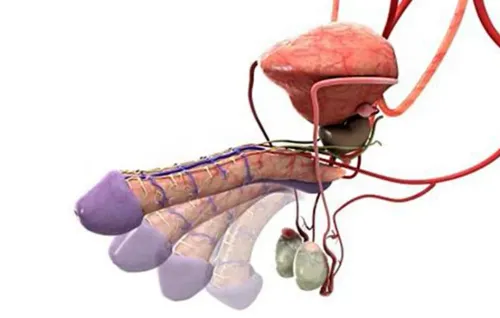
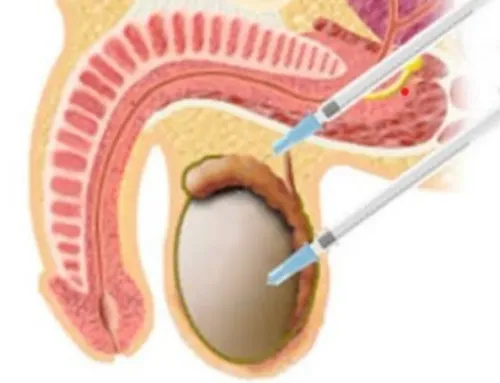
Urologists also assess male reproductive conditions such as varicocele, erectile dysfunction, ejaculation problems and infertility. This overlap is important because sexual or fertility symptoms may occasionally be connected to hormonal, vascular, neurological or urinary conditions.
Qualities That Matter When Selecting a Doctor
The phrase “best urologist doctor” should not be interpreted as a universal ranking. The right doctor is one whose training, clinical experience and approach suit the patient’s particular condition.
Look for the following qualities:
- Relevant qualifications: Confirm that the doctor has formal training and experience in urology.
- Condition-specific experience: A patient with kidney stones may need different expertise from someone seeking infertility evaluation.
- Clear explanations: The doctor should explain the suspected condition, recommended tests and treatment choices in understandable language.
- Evidence-based recommendations: Treatment should follow the diagnosis rather than begin with an assumption that surgery is necessary.
- Respectful communication: Urinary and sexual concerns require privacy, sensitivity and non-judgmental discussion.
- Continuity of care: Follow-up is particularly important for recurring stones, prostate disorders and chronic urinary symptoms.
What to Expect During the First Visit
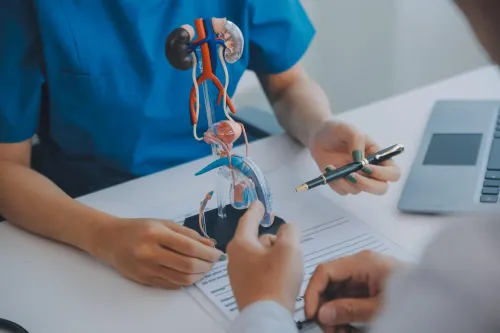
The consultation usually begins with a detailed medical history. The urologist may ask about the duration of symptoms, urinary pattern, pain, previous operations, medications and existing illnesses such as diabetes or high blood pressure.
Depending on the symptoms, evaluation may involve a physical examination, urine analysis, blood tests, ultrasound, uroflowmetry or another targeted investigation. Not every patient requires every test. The purpose is to identify the cause before deciding whether observation, lifestyle changes, medication or a procedure is appropriate.
Preparing for a Urology Consultation in Jaipur
Patients visiting a urologist in Pratap Nagar can make the appointment more productive by carrying previous prescriptions, scan reports and laboratory results. A list of current medicines and allergies is equally helpful.
Write down the main symptoms, when they began and what makes them better or worse. Honest information about urinary habits, sexual health and fertility concerns enables the doctor to form a more accurate clinical picture. Selecting the right urologist ultimately means choosing careful evaluation, understandable advice and treatment suited to the actual diagnosis.
Keywords