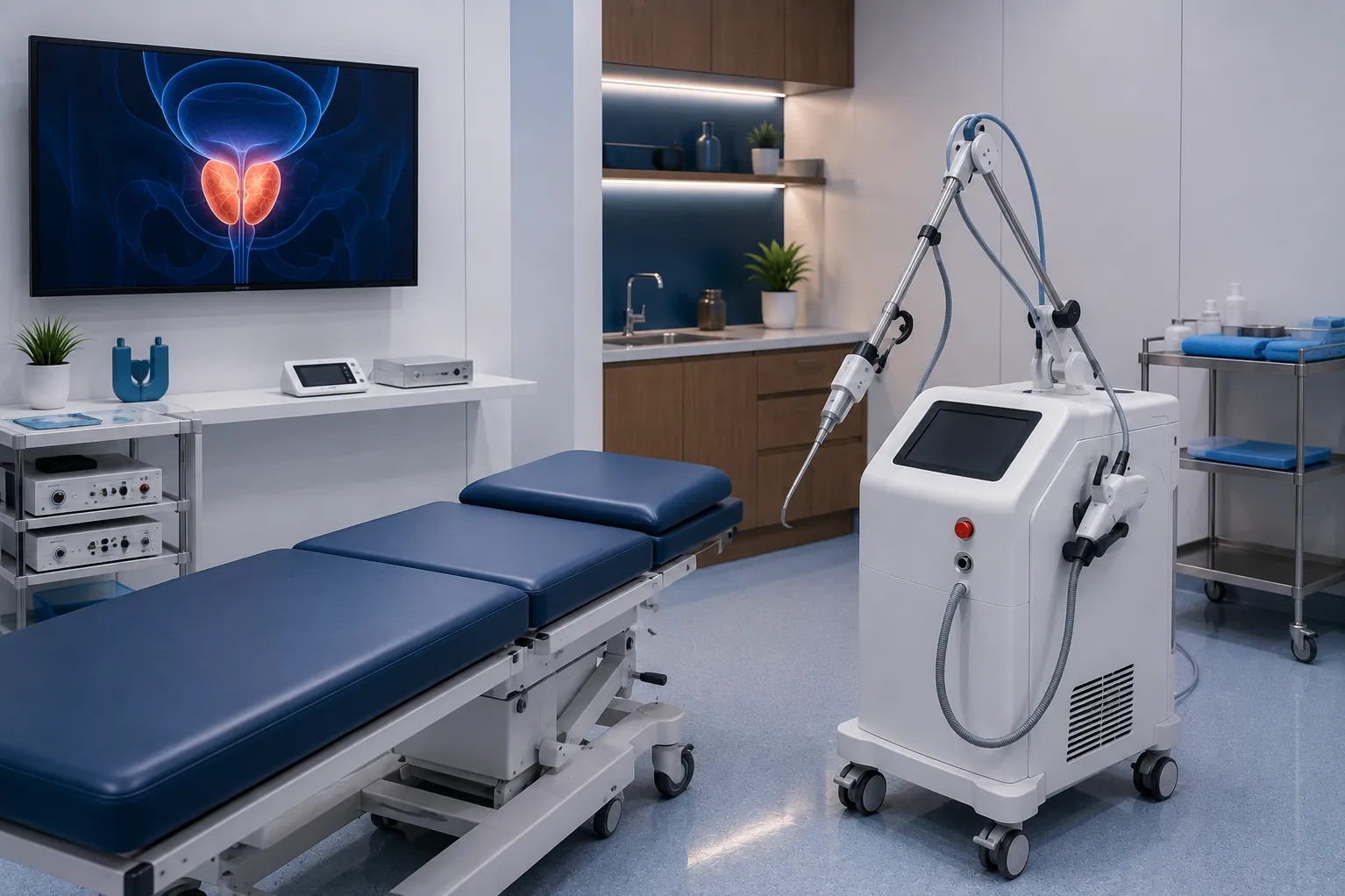
An enlarged prostate can gradually interfere with urination, sleep and everyday comfort. Medicines may control mild or moderate symptoms, but surgery may be considered when urinary obstruction becomes severe, complications develop or medical treatment no longer provides adequate relief.
Dr Mahtab at Jaipur AndroUrology Center evaluates prostate-related urinary problems in Pratap Nagar, Jaipur. Before recommending laser prostate surgery, the doctor considers the patient’s symptoms, prostate size, urine flow, bladder health, medical history and response to previous treatment.
Symptoms That May Indicate Prostate Enlargement
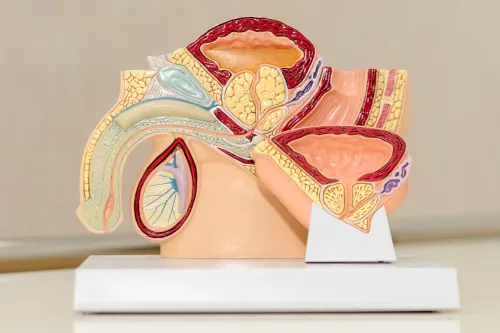
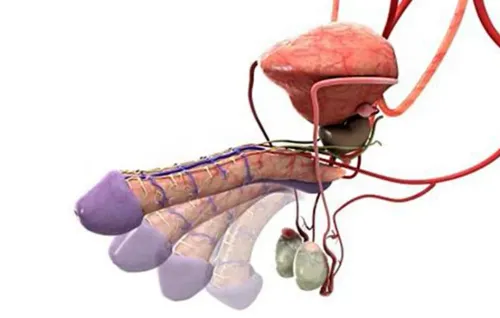
Benign prostatic hyperplasia, commonly called BPH, is a non-cancerous enlargement of the prostate. As the gland grows, it may compress the urethra and restrict urine flow.
Common symptoms include:
- Weak or interrupted urine stream
- Difficulty starting urination
- Straining to pass urine
- Frequent urination
- Sudden urgency
- Waking repeatedly at night to urinate
- Feeling that the bladder has not emptied
- Dribbling after urination
- Complete inability to pass urine
These symptoms are not always caused by BPH. Urinary infection, urethral narrowing, bladder dysfunction and other prostate conditions can produce similar complaints. Proper evaluation is therefore essential.
When Might Surgery Be Recommended?
Surgery may be considered when medication is ineffective, poorly tolerated or unsuitable. It may also be advised when prostate enlargement causes:
- Repeated urinary retention
- Recurrent urinary infections
- Bladder stones
- Persistent bleeding associated with the prostate
- Significant urine remaining after urination
- Kidney or bladder complications
- Severe symptoms affecting daily life
The intensity of symptoms alone does not determine treatment. Test results and the effect of obstruction on the urinary system are equally important.
How Laser Prostate Surgery Works
Laser prostate procedures use controlled energy to remove or reduce obstructing prostate tissue. The instrument is generally passed through the urethra, which means an external skin incision is usually not required.
Depending on the selected technique, prostate tissue may be vaporised or separated and removed. The most appropriate method can vary according to prostate size, available technology, surgeon experience and the patient’s overall health.
A urinary catheter is commonly required for a limited period after the operation. Hospital stay and recovery time differ between patients and procedures.
Benefits and Limitations to Discuss
Potential advantages of laser prostate surgery can include effective removal of obstructing tissue, improved urine flow and reduced bleeding in suitable patients. However, describing it as “bloodless” would be inaccurate because bleeding remains possible with any surgical procedure.
Other considerations may include:
- Burning or urinary urgency during early recovery
- Temporary difficulty controlling urine
- Urinary infection
- Urethral narrowing
- Changes in ejaculation
- Rare need for further treatment
- Anaesthesia-related risks
Patients who wish to have children should specifically discuss possible changes in ejaculation before surgery.
Choosing a Surgeon and Treatment Centre
When comparing providers for laser prostate surgery in Pratap Nagar, patients should ask:
- Has the diagnosis been confirmed with appropriate evaluation?
- Why is surgery recommended instead of continued medication?
- Which laser technique is suitable for the prostate size?
- How frequently does the surgeon perform the procedure?
- What are the expected catheter and hospital durations?
- Which sexual and urinary side effects are possible?
- What follow-up will be needed?
Previous reports, urine tests, ultrasound findings and a complete medication list should be carried to the consultation. Blood-thinning medicines must be disclosed, but they should not be stopped without medical instructions.
Men experiencing persistent prostate symptoms can consult Jaipur AndroUrology Center for a structured assessment. The objective is to confirm whether laser surgery is necessary and select a procedure suited to the individual’s prostate condition and health profile.
Keywords