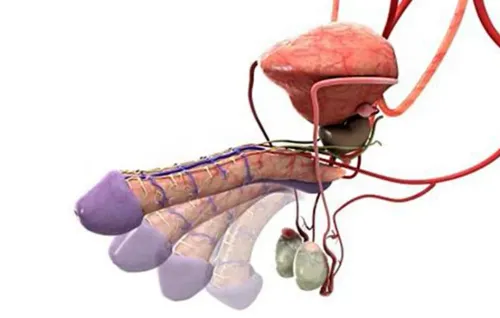

When a couple experiences difficulty conceiving, fertility assessment should not focus only on the female partner. Male Infertility can contribute to conception difficulties and may involve sperm production, sperm movement, reproductive tract obstruction, hormonal factors, genetic conditions, sexual dysfunction, or lifestyle influences.
For many men, the first step is simply understanding what a proper fertility evaluation involves.
What Can Affect Male Fertility?
Male fertility can be influenced by several factors, including:
- Varicocele
- Hormonal abnormalities
- Testicular injury or previous infection
- Undescended testes
- Reproductive tract obstruction
- Certain genetic conditions
- Previous pelvic or reproductive surgery
- Some medicines and medical treatments
- Smoking and excessive alcohol consumption
- Obesity and metabolic health problems
- Excessive heat exposure
- Erectile or ejaculatory difficulties
In some cases, no single obvious cause is identified initially.
Why Semen Analysis Is Important
Semen analysis commonly evaluates sperm concentration, movement, morphology, semen volume, and related parameters.
One abnormal report does not always establish the final diagnosis because semen characteristics can vary. Depending on the initial findings and clinical history, repeat testing may be advised.
If significant abnormalities persist, the doctor may recommend additional evaluation.
What Other Tests May Be Needed?
The next steps depend on the individual case. Assessment may include physical examination, hormonal blood tests, scrotal ultrasound, genetic testing, or investigations for reproductive obstruction.
A fertility specialist may also ask about previous pregnancies, duration of infertility, childhood medical history, surgeries, infections, medication, sexual function, and occupational exposures.
This information helps build a more complete picture than a laboratory report alone.
Treatment Depends on the Cause
There is no universal male fertility treatment. Management can range from correcting reversible lifestyle or medical factors to treating hormonal abnormalities or selected anatomical conditions.
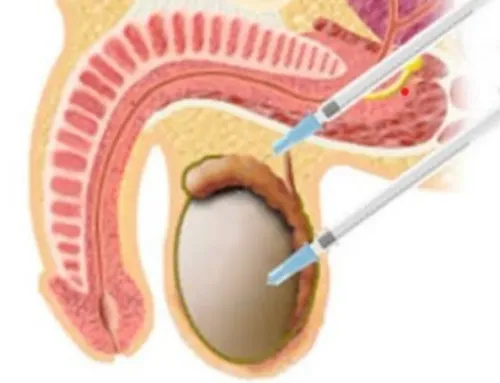
Some patients may benefit from surgery, while others may require assisted reproductive techniques. When sperm are absent from the ejaculate because of particular conditions, surgical sperm retrieval may be considered as part of fertility planning.
Couples in Jaipur, Rajasthan, should ideally approach fertility assessment as a shared process rather than assuming where the problem lies. Jaipur AndroUrology Center evaluates male infertility and related andrological conditions, including situations where specialized sperm retrieval or surgical assessment may be required.
Male infertility is often a diagnostic journey rather than a single-test problem. Identifying the likely cause first allows treatment decisions to be based on the man's reproductive health, the female partner's fertility factors, and the couple's overall conception plan.
Keywords