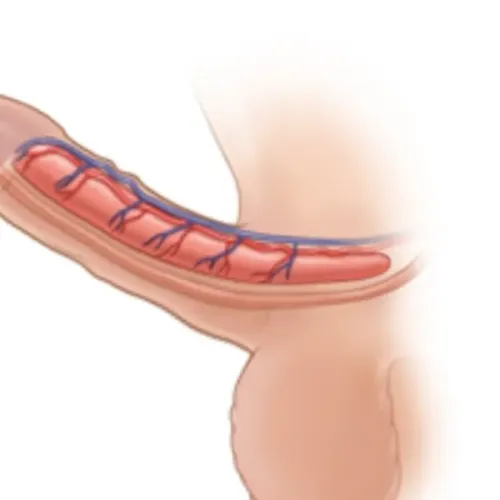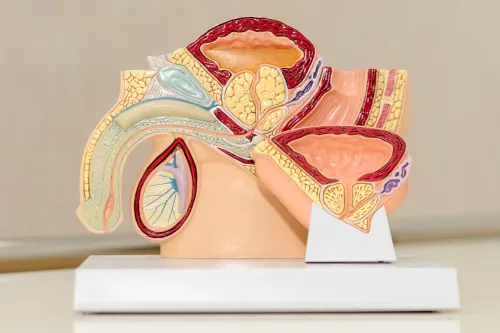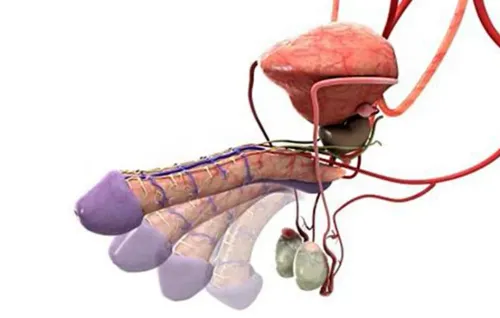
Penile implant surgery is a treatment for erectile dysfunction in selected men who have not achieved satisfactory results with appropriate non-surgical options. It places a medical device inside the penis to provide the rigidity required for sexual intercourse. The procedure does not increase sexual desire or penis size, and it is not usually the first treatment offered for erection difficulties.
Dr Mahtab at Jaipur AndroUrology Center discusses surgical and non-surgical erectile dysfunction treatment with patients in Pratap Nagar, Jaipur. Before penile implant surgery is considered, the cause of erectile dysfunction, general health and response to previous treatments must be reviewed carefully.
When May a Penile Implant Be Considered?
An implant may be discussed when erectile dysfunction is persistent and:
- Oral medicines have not worked adequately
- Tablets cannot be used because of a medical contraindication
- Injectable treatment or vacuum devices are unsuitable
- Erectile dysfunction follows certain pelvic or prostate procedures
- Severe penile curvature occurs with erection difficulty
- The patient wants a predictable surgical solution after counselling
The decision should reflect the patient’s expectations and health status. Surgery should not be selected only because it appears to offer a quicker answer.
Types of Penile Implants
Two broad categories are commonly used.
Inflatable Implant
An inflatable system generally includes cylinders placed within the penis, a pump positioned in the scrotum and a fluid reservoir. The pump transfers fluid into the cylinders to create an erection and releases it when rigidity is no longer required.
This type may provide a more natural-looking flaccid and erect state. However, it contains multiple components and requires the patient to operate the pump correctly.
Malleable Implant
A malleable implant consists of bendable rods placed inside the penis. The penis can be positioned upward for intercourse and downward at other times.
Its design is mechanically simpler and may be easier for men with limited hand strength. Because the rods remain firm, concealment and the constant semi-rigid feel should be discussed before surgery.
Potential Benefits
For appropriately selected patients, a penile implant can provide:
- An erection when desired
- Greater predictability than medication
- No need to plan around the timing of tablets
- A device located entirely within the body
- A possible option when other treatments have failed
An implant supports rigidity but does not directly restore libido, sensation or orgasm. These functions depend on the patient’s underlying condition and should be evaluated separately.
Risks and Limitations
Like any operation, penile implant surgery has possible complications. These may include infection, bleeding, pain, device malfunction, erosion or the need for revision surgery. Diabetes control, skin health, urinary infection and previous operations may affect surgical planning.
Once an implant is placed, the natural erectile mechanism is permanently altered. Therefore, the decision requires detailed counselling and should be made only after reviewing reasonable alternatives.
Readiness Checklist Before Surgery
A patient considering penile implant surgery should be able to answer yes to the following:
- Has the erectile dysfunction been properly diagnosed?
- Have suitable non-surgical treatments been attempted or ruled out?
- Are diabetes and other medical conditions adequately managed?
- Have the implant types been explained clearly?
- Are the benefits, risks and mechanical limitations understood?
- Are expectations about size, sensation and sexual desire realistic?
- Is the patient prepared for recovery and follow-up?
- Does the partner understand what the device can and cannot change?
For men exploring penile implant surgery in Pratap Nagar, readiness involves more than completing medical tests. The patient should understand the permanence of the procedure, feel comfortable operating the selected device and have realistic expectations about the result. A thoughtful comparison of implant types and alternative treatments supports a more informed surgical decision.
Keywords