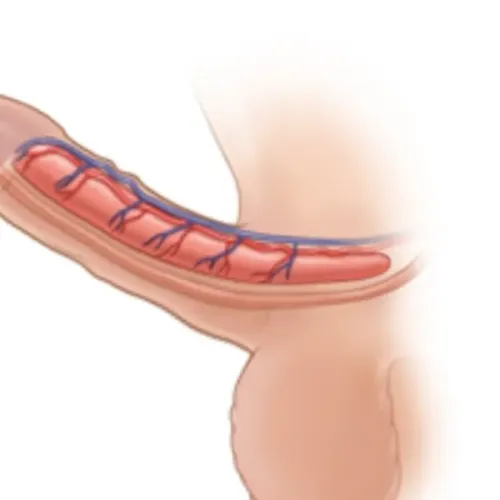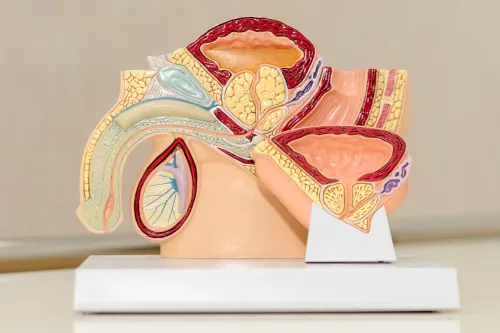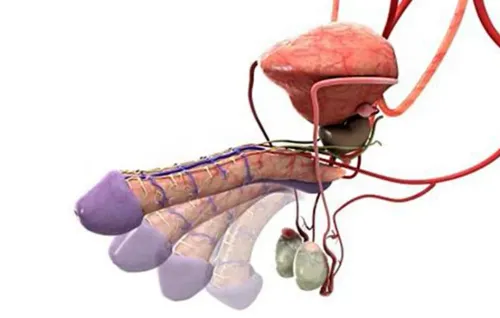

A slight natural penile curve is common and does not automatically indicate disease. Peyronie's Disease, however, involves the development of fibrous scar tissue within the penis that can produce a new or increasing curvature, indentation, shortening, discomfort, or difficulty with erections.
Because symptoms affect an intimate part of the body, men sometimes wait months before mentioning them to a doctor.
What Changes Should Be Evaluated?
Possible signs include:
- A newly developed penile bend
- Increasing curvature over time
- A palpable firm area or plaque
- Penile pain, particularly during erection
- Hourglass-shaped narrowing or indentation
- Loss of penile length
- Difficulty achieving penetration
- Erectile dysfunction associated with the deformity
Photographs of the erect penis taken privately at home may sometimes help a specialist understand the direction and degree of curvature during evaluation.
Does Every Curvature Need Treatment?
No.
Treatment depends on factors such as pain, severity and stability of curvature, erectile function, ability to have intercourse, disease stage, and the degree of distress caused by the condition.
A mild, stable curvature that does not interfere with sexual activity may be managed differently from severe deformity accompanied by erectile dysfunction.
This is why simply comparing one's curvature with pictures online does not determine the correct treatment.
Why Disease Stage Matters
Peyronie's disease can have an active phase in which pain or curvature is changing and a more stable phase in which the deformity has stopped progressing.
The timing of treatment can therefore influence which options are considered.
Depending on the individual case, management may involve observation, selected medical approaches, traction strategies, injections where clinically appropriate, or surgical correction.
Surgery is generally reserved for appropriately selected patients, particularly when deformity is stable and significantly affects sexual function.
Questions Worth Asking Before Treatment
Patients can ask:
- Is the curvature consistent with Peyronie's disease?
- Does the condition appear active or stable?
- How severe is the deformity?
- Is erectile function otherwise adequate?
- What can realistically improve with treatment?
- What are the risks and limitations of each option?
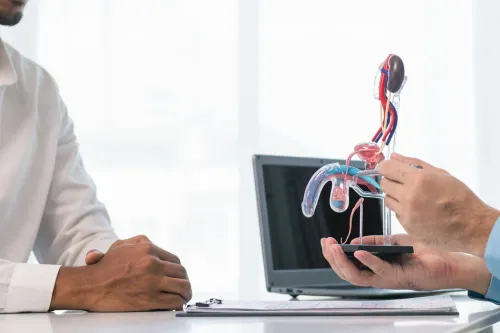
Men seeking assessment in Jaipur, Rajasthan, can consult services focused on andrological conditions rather than treating penile curvature as a purely cosmetic concern. Jaipur AndroUrology Center evaluates Peyronie's disease along with associated erectile and male sexual health problems.
Early assessment is particularly useful when curvature is new, painful, worsening, or affecting intercourse. The goal is to understand the condition accurately and choose management according to function, disease stage, and individual needs rather than embarrassment or fear.
Keywords