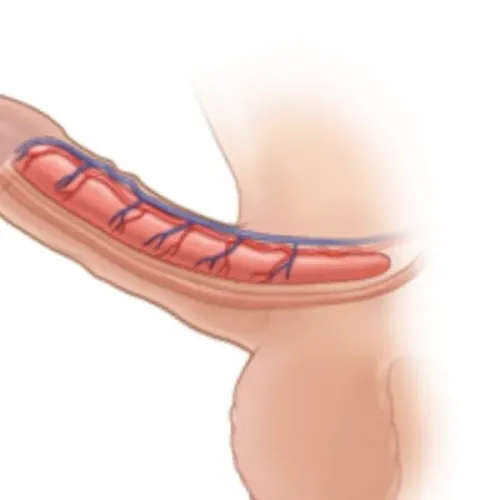

Choosing medication for male infertility starts with finding the reason for reduced fertility, not with buying a supplement or repeating a single semen test. You will be able to prepare for a consultation, understand which treatments fit specific diagnoses, plan the testing timeline, and estimate the costs before deciding whether specialist care, surgery, or assisted reproduction is the next step.
Key takeaways
- Bring medication lists, prior reports, and both partners’ fertility history.
- Do not take testosterone when trying to conceive; it can reduce sperm production.
- Compare costs by consultation, tests, medicines, and follow-up visits.
- Seek specialist evaluation when semen results remain abnormal or treatment stalls.
What happens during a male infertility consultation?
A male infertility doctor in Jaipur begins with reproductive and medical history, not an immediate prescription. Bring:
- Previous semen reports and details of pregnancy attempts
- Fever or illness during the past three months
- All medicines, supplements, testosterone or anabolic-steroid use
- Smoking or tobacco, alcohol and heat exposure
- Previous groin surgery, libido or erection concerns, and childhood illnesses
The physical examination checks testicular size and consistency, the epididymis, vas deferens and any palpable varicocele. A scrotal ultrasound cannot replace this examination. An imaging-only varicocele is not automatically a treatment target.
Semen analysis should record volume, sperm concentration, total sperm number, total motility, progressive motility, morphology and vitality. WHO sixth-edition lower fifth-percentile comparison values are 1.4 mL, 16 million sperm/mL, 39 million sperm per ejaculate, 42% total motility, 30% progressive motility and 4% normal morphology.
These figures come from men who recently achieved pregnancy; they are not a pass-or-fail fertility test.
If the first report is abnormal, repeat it, ideally at least one month later. One abnormal sample does not prove permanent infertility.
A doctor orders FSH and testosterone selectively, especially for very low counts, azoospermia, small testes, low libido, erectile dysfunction or suspected endocrine disease. LH and prolactin help when findings suggest a pituitary or androgen disorder.
Which medicines are used, and when are they unsafe?
Testosterone injections, gels, tablets and pellets are not fertility treatments. Exogenous testosterone suppresses pituitary gonadotropins and can sharply reduce or stop sperm production, sometimes causing azoospermia. Anabolic steroids carry the same fertility risk.
If you already use them, ask an andrologist or urologist to review the treatment rather than stopping or changing it without medical advice.
Male infertility medical management separates treating the cause from fertility-directed treatment. The options differ by diagnosis:
| Option | What it does | When it applies |
|---|---|---|
| hCG | Stimulates testosterone production inside the testes | Hypogonadotropic hypogonadism |
| Recombinant FSH or another gonadotropin | Adds stimulation for sperm production | After or alongside hCG when sperm recovery needs more support |
| Cabergoline | Lowers prolactin | Confirmed hyperprolactinaemia |
| Clomiphene or an aromatase inhibitor | Alters selected hormonal pathways | A suitable hormonal pattern, not unexplained infertility |
Hypogonadotropic hypogonadism requires months, not days, for sperm recovery, with hormone tests and semen analyses guiding treatment. Do not self-start cabergoline: pituitary tumours, drug interactions and an incorrect diagnosis require medical review.
Clomiphene and aromatase inhibitors are not universal sperm boosters. Discuss liver disease, visual symptoms, clotting history and other medicines before use. Treat thyroid disease according to its confirmed diagnosis. Use antibiotics only when examination, cultures or other testing supports infection; they are not a routine cure for unexplained infertility.
Antioxidant combinations require scrutiny for dose, interactions, cost and uncertain live-birth benefit. Any improvement after correcting an endocrine problem, infection or fertility-suppressing medicine is assessed over roughly three months because sperm production takes about 74 days.
How long does treatment take, and who should be evaluated together?
Sperm production takes about 74 days, so a corrected endocrine problem, stopped fertility-suppressing drug or treated infection is usually reassessed after roughly three months. A few days is too soon to show a reliable change.
Repeat semen analysis after a treatment change at the interval your specialist sets, commonly after one complete sperm-production cycle. Repeating it within days creates noise rather than useful evidence. Confirm the laboratory’s abstinence instructions, and use the same laboratory when practical.
A fertility consultation for men in Jaipur should proceed alongside evaluation of the female partner. Her age, ovulation, tubal status and ovarian reserve can change the choice between timed intercourse, IUI and an IVF consultation.
Do not spend several months treating only one partner or reacting to one result at a time; coordinate both assessments and set a review date.
Refer to a reproductive medicine or IVF team when:
- Sperm deficiency is severe or sperm are absent altogether.
- Treatment has continued without success for the planned review period.
- Female-factor findings could shorten the available timeline.
- IUI, IVF or ICSI may improve the couple’s odds.
Arrange genetic counselling for azoospermia or very severe oligospermia, especially when FSH is high, the testes are small or sperm production appears impaired. Ask about karyotype and Y-chromosome microdeletion testing when indicated.
What does male infertility medical treatment cost in Jaipur?
A realistic starting budget is not one package price. There is no Jaipur-wide tariff, and you may pay separately for the consultation, laboratory work, imaging, medicines and follow-up.
| Item | Indicative private-sector range |
|---|---|
| Specialist consultation | ₹500–₹2,000 |
| Semen analysis | ₹500–₹1,500 |
| Basic hormone panel | ₹1,500–₹5,000 |
| Scrotal ultrasound | ₹1,000–₹3,000 |
These are planning estimates, not official prices. Confirm current charges with the clinic and laboratory because the test method, consultant and facility can change the bill.
The male infertility medical treatment cost in Jaipur rises with genetic testing, extended hormone investigations, repeated semen analyses or long-term medicines. Genetic tests can cost several thousand to tens of thousands of rupees. A palpable varicocele with abnormal semen results may lead to surgery costing roughly ₹40,000–₹1,50,000 or more, depending on the technique and hospital.
IUI, IVF and ICSI are separately priced assisted-reproduction procedures, not part of a medication consultation.
Ask for a written estimate that separates:
- Consultation and follow-up visits
- Laboratory tests, medicines and imaging
- Surgeon fees and anaesthesia
- Sperm retrieval and hospital stay
Jaipur AndroUrology Center can be one place to request a staged estimate showing the necessary assessment, expected treatment duration and review point before additional tests or procedures. Compare the full pathway, not just the lowest first-visit fee.
Related service
ANDROLOGY (Male Infertility) The majority of male infertility is idiopathic. However, there are multiple known causes of male infertility, and some of these causes can be treated... View service → |
When should testing or treatment move beyond medication?
Medication is appropriate only when the diagnosis supports it. When findings do not explain impaired fertility, extending medication delays more useful decisions.
| Finding | Next step | Important limit |
|---|---|---|
| Clinical, palpable varicocele plus abnormal semen analysis in a couple seeking pregnancy | Discuss repair | An ultrasound-only, subclinical varicocele is generally not repaired for infertility |
| Persistent azoospermia or very severe oligospermia | Consider karyotype and Y-chromosome microdeletion testing | Confirm the laboratory’s exact threshold; elevated FSH, small testes or impaired sperm production strengthen the indication |
| Congenital absence of the vas deferens | Arrange CFTR-related assessment | Test the female partner when the result could affect reproductive planning |
Treatment can correct a cause without raising sperm count directly. Examples include correcting thyroid or pituitary disease, treating documented infection, reviewing a fertility-suppressing medicine, and addressing erectile or ejaculatory dysfunction. If sperm production remains inadequate, discuss sperm retrieval and IUI, IVF or ICSI instead of continuing ineffective medication.
The decision depends on both partners’ findings, infertility duration, the female partner’s age and the couple’s priorities. Before buying a supplement, ask which outcome it targets, how long you will take it and what evidence supports it.
Before a procedure, request a written estimate covering anaesthesia, surgeon fees, laboratory work, medicines, sperm retrieval and follow-up, plus a diagnosis-and-timeline plan with the date for reassessing success.
Frequently asked questions
What happens during a male infertility consultation?
A male infertility doctor in Jaipur reviews your reproductive history, illnesses, medicines, surgeries, lifestyle, sexual function, and previous test results before recommending examination or testing. Bring a medication list, semen analysis reports, hormone results, and your partner’s fertility records.
Which medicines are used for male infertility, and when are they unsafe?
Treatment depends on the cause and may involve medicines that address hormone problems, infection, erectile or ejaculation difficulties, or nutritional deficiencies. Do not start testosterone, fertility hormones, antibiotics, or supplements without specialist advice; testosterone can suppress sperm production, and other medicines can be unsafe with certain conditions or drug combinations.
How long does male infertility treatment take, and who should be evaluated together?
Sperm production takes about 74 days, so treatment changes often need several months before assessment. Evaluate both partners in parallel because female age, ovulation, tubal factors, and male sperm findings all affect the treatment plan.
What does male infertility medical treatment cost in Jaipur?
The male infertility medical treatment cost in Jaipur depends on consultation fees, semen analyses, hormone tests, scans, medicines, and follow-up visits. Ask for an itemized estimate and confirm which tests are included before starting.
When should testing or treatment move beyond medication?
Move beyond medication when semen results stay abnormal after an appropriate treatment period, a physical blockage or varicocele is suspected, sperm counts are severely low, ejaculation is not possible, or pregnancy is time-sensitive. A specialist may then discuss procedures, sperm retrieval, intrauterine insemination, or IVF with ICSI.
Keywords