A weak, spraying stream or prolonged urination does not identify the cause by itself, and sudden inability to pass urine requires urgent medical care. You will learn which symptoms and risk factors matter, how tests map the narrowing, what happens during endoscopic treatment or urethroplasty, and which questions help you choose appropriate specialist care.
Key takeaways
- Weak or spraying urine flow needs assessment, especially with retention or fever.
- Diagnosis may include uroflowmetry, urine tests, cystoscopy and a retrograde urethrogram.
- Repair choice depends on stricture length, location, severity and previous procedures.
- Ask about recurrence rates, catheter duration, follow-up and experience with urethroplasty.
Which symptoms suggest urethral narrowing, and when is it urgent?
A weak or spraying urine stream, straining, prolonged urination, incomplete emptying, post-void dribbling, painful urination or recurrent urinary infections should prompt assessment for urethral narrowing. Symptoms alone do not confirm a stricture: benign prostate enlargement, infection, dysfunctional voiding and neurogenic bladder can cause the same pattern.
| Situation | What to do |
|---|---|
| Gradually worsening stream, straining or dribbling | Arrange a urology assessment |
| Inability to pass urine, fever with urinary symptoms, severe lower abdominal pain, or rapidly worsening genital or perineal swelling | Seek urgent medical care |
A blockage can become urinary retention, infection or tissue injury. Do not wait for a routine appointment when an emergency warning sign appears.
The urethral narrowing treatment process starts by identifying possible causes and prior exposures. Tell the clinician about:
- Previous catheterisation or endoscopic procedures
- Pelvic or perineal trauma
- Sexually transmitted infections or other urethral infections
- Lichen sclerosus
- Prior urethral surgery
- Radiotherapy
These details affect testing and recurrence risk. Active urinary infection must be identified and treated, because infection can worsen symptoms and complicate catheter-based testing or repair.
How is urethral stricture diagnosis performed in Jaipur?
Diagnosis starts with your urinary history, not a camera. A urethral stricture diagnosis in Jaipur follows this sequence:
1. Describe weak or spraying flow, straining, prolonged urination, dribbling, infections and previous retention. Report catheterisation, endoscopic procedures, pelvic or perineal injuries, sexually transmitted infections, lichen sclerosus, urethral surgery and radiotherapy.
2. Expect examination of the penis, urethral opening, scrotum, perineum and surrounding skin. The clinician looks for inflammation, scarring, discharge or injury.
3. Provide a urine sample for urinalysis and, when indicated, urine culture. Active infection must be identified and treated before catheter-based testing or repair; instrumentation during infection can worsen complications.
4. Uroflowmetry records flow rate and pattern while you urinate into a machine. A bladder scan measures urine left after urination, called post-void residual. Neither test locates or measures a scar.
5. A retrograde urethrogram introduces contrast dye through the urethral opening, followed by X-ray images showing the narrowing’s location and length. A voiding cystourethrogram adds images while you urinate, especially when the proximal extent is unclear or the urethra needs assessment during voiding.
6. Cystoscopy uses a small camera to inspect the urethra directly. A very tight narrowing can stop the scope, so cystoscopy may confirm the stricture without measuring its full extent.
Before testing, report contrast, medicine or latex allergies and bring your medication list. Follow instructions about eating, drinking and medicines if sedation is planned.
What information determines the repair plan?
The repair plan rests on anatomy and tissue quality, not on a label such as “laser.” The urethral narrowing treatment process documents whether the lesion is a true scar, its urethral segment, exact length, severity, number of narrowed areas, recurrence status and degree of spongiofibrosis.
1. Dilation and direct-vision internal urethrotomy are endoscopic methods that stretch open or incise scar tissue. They usually fit a selected, short, previously untreated bulbar stricture. Recurrence becomes more likely with longer or penile strictures, dense spongiofibrosis or previous failed endoscopic treatment.
2. Repeated dilation or incision after recurrence is not equivalent to reconstruction. Further instrumentation can add scarring and delay definitive care, so a recurrent stricture needs a direct discussion about urethroplasty rather than an automatic repeat procedure.
3. Urethroplasty is open reconstruction. Excision and primary anastomosis suits selected short bulbar strictures; longer or complex disease often needs tissue substitution, commonly a buccal-mucosa graft taken from the inner cheek. Penile strictures generally require substitution techniques because circumferential excision can shorten or distort the urethra.
The specialist also considers previous operations, tissue quality and the number of affected segments. These findings determine whether opening the scar is reasonable or whether replacing the diseased section offers the more durable plan.
What happens during urethral stricture treatment and recovery?
Treatment starts with review of the urethrogram, cystoscopy findings, infection results and previous procedures. After consent, anaesthesia is given, then the surgeon performs either endoscopic dilation or incision, or open urethroplasty. “Laser” names the energy used for an incision; it does not prove greater durability.
| Option | What happens | Catheter plan |
|---|---|---|
| Endoscopic dilation or incision | Scar tissue is widened or cut through a scope | Keep it until the surgeon’s specified removal plan |
| Urethroplasty | The scar is removed and joined, or replaced with a graft such as inner-cheek tissue | Planned assessment, which can include a pericatheter urethrogram to check for leakage |
A catheter drains urine while an incision or grafted repair heals. Keep it secured, follow instructions on cleaning, medicines, activity and warning symptoms, and attend the scheduled review. Never remove or pull it yourself: early removal can disrupt healing, cause leakage or require replacement.
The urethral stricture treatment in Jaipur process should include a clear discharge and follow-up plan.
Consent should cover:
- Bleeding, infection and recurrent stricture
- Spraying urine or post-void dribbling
- Erectile or ejaculatory changes
- Fistula
- Temporary cheek pain or numbness after a buccal graft
Recovery varies with the procedure and your condition. Report fever, worsening pain, heavy bleeding, blocked drainage or new swelling promptly. Surveillance uses symptoms, urinary flow and residual urine; cystoscopy or imaging follows when results raise concern.
How should you choose a urethral stricture specialist in Jaipur?
Choose a urethral stricture specialist in Jaipur by examining the surgeon’s reconstructive experience, not the clinic’s procedure labels. The urethral stricture treatment in Jaipur process should be based on documented scar location, length, infection status, previous treatment and tissue quality.
Ask these questions before consenting:
- Who interprets my RUG or VCUG, and will the images be reviewed with me?
- Do you routinely perform urethroplasty and other urethral reconstruction?
- Why does the proposed operation fit this stricture’s site, length and recurrence history?
- What catheter checks are planned, and who decides when it is removed?
- How will you monitor recurrence using symptoms, flow rate, residual urine, cystoscopy or imaging?
- If this stricture has returned, why is dilation or direct-vision internal urethrotomy still suitable?
- If reconstruction is advised, will you explain graft surgery and excision with primary anastomosis, including their trade-offs?
| Option | What it involves | Question to ask |
|---|---|---|
| Dilation or DVIU | Stretches or incises scar through a scope | Why use it after recurrence? |
| “Laser” incision | Uses laser energy to cut scar tissue | What proves durability beyond the energy source? |
| Urethroplasty | Reconstructs the urethra with an anastomosis or graft | Why does this technique match my anatomy? |
A “laser” label does not guarantee the most durable result. Jaipur AndroUrology Center can provide a setting to discuss specialist assessment and reconstructive options, but judge the plan by anatomy, infection control and the surgeon’s documented experience.
Related service
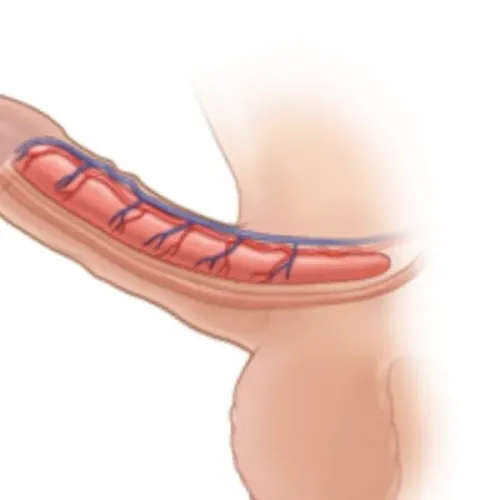
UROLOGY A urethral (u-REE-thrul) stricture involves scarring that narrows the tube that carries urine out of the body, called the urethra. View service → |
Frequently asked questions
Which symptoms suggest urethral narrowing, and when is it urgent?
A weak or spraying stream, straining, prolonged urination, incomplete emptying, post-void dribbling, painful urination and recurrent infections can suggest narrowing. Seek urgent care for inability to pass urine, fever with urinary symptoms, severe lower abdominal pain or visible blood with clots.
How is urethral stricture diagnosis performed in Jaipur?
A urologist reviews your symptoms, prior catheterisation or procedures, infections and treatment history. Testing can include urinalysis, urine culture, uroflowmetry, bladder ultrasound with post-void residual measurement, cystoscopy and a retrograde urethrogram when mapping the narrowing is necessary.
What information determines the repair plan?
The plan depends on the stricture’s location, length, severity, cause, number of previous treatments, urine flow, bladder emptying and overall health. The urologist uses examination and imaging findings to compare dilation, internal urethrotomy and urethroplasty.
What happens during urethral stricture treatment and recovery?
Treatment may widen the channel temporarily with dilation or internal urethrotomy, or reconstruct it with urethroplasty for selected strictures. Recovery includes catheter care, prescribed medicines, monitoring urine flow and follow-up testing for recurrence.
How should you choose a urethral stricture specialist in Jaipur?
Choose a urologist who explains the stricture’s location and length, compares each treatment’s recurrence risk, performs or refers for urethroplasty when appropriate, and provides a clear catheter and follow-up plan.
Keywords